Why Does Water Stop Flowing When the Weather Turns Freezing?
When a faucet gives you only a trickle in freezing weather, a pipe has most likely iced over. You can often thaw frozen pipes safely with gentle, steady heat, but you must act before the ice splits the pipe wall.
Water expands as it freezes, and that expansion pushes against the pipe wall from the inside. The pipe often cracks quietly. The flood arrives later, when the ice melts and water pours through the split.
K. Jenkins Plumbing answers these calls across Winchester, Virginia every winter. This guide shows how to spot the problem, thaw a pipe step by step, avoid dangerous shortcuts, and protect your plumbing before the next hard freeze.
Key Takeaways
- A faucet that only trickles in freezing weather is the classic sign that a supply pipe has iced over
- Keep the faucet open while you thaw, because moving water helps melt the ice and relieves pressure
- Use gentle heat such as a hair dryer or warm towels, and never use a torch, propane heater, or open flame
- If you can’t find the frozen section, can’t reach it, or can’t thaw it, stop and call a plumber
- Check every other faucet, since one iced section often means others are frozen too
- Insulating exposed pipes and keeping the heat on are the cheapest ways to avoid a winter flood
How Can You Tell Whether One of Your Pipes Has Frozen Solid?
A frozen pipe is a water supply line in which standing water has turned to ice, blocking flow and building pressure that can crack the pipe. It’s most common in unheated areas and along exterior walls.
The clearest sign is a faucet that runs slowly or not at all when outdoor temperatures are well below freezing. Check both hot and cold taps, since either line can freeze independently of the other one.
Look for frost on exposed pipes, odd smells from a drain, or a pipe that feels extremely cold to the touch. Likely trouble spots include pipes along exterior walls and the spot where the water line enters through the foundation.
Unheated spaces are riskier. According to American Red Cross guidance, water supply pipes in basements, attics, garages, and kitchen cabinets are especially vulnerable, as are pipes that run against exterior walls with little or no insulation.
“Water has a unique property in that it expands as it freezes. This expansion puts tremendous pressure on whatever is containing it, including metal or plastic pipes.”
– American Red Cross: Preventing and Thawing Pipes Guidance
Listen as well. A pipe that ticks or bangs when you open a tap can signal ice and trapped pressure. If you spot a wet ceiling or a damp wall anywhere, shut off the water at the main and call right away.
Read More About: Commercial Plumbing Services: 3 Winterizing Myths
How Do You Safely Thaw a Frozen Pipe Step by Step at Home?
Patience is the whole technique. Warm the pipe slowly and keep water moving through it. Rushing with too much heat can crack a pipe or start a fire, and it can turn a small problem into a costly flood.
The method below matches the guidance published by the American Red Cross, and it’s the same approach our technicians use on a frozen line. Work in order, and stop if anything looks wrong. Safety always comes first.
Step 1: Open the Faucet and Find the Frozen Spot
Open the affected faucet fully, hot and cold, so water can flow as the ice melts. Then trace the line back to find the freeze, usually along an exterior wall or near where the line enters the foundation.
Step 2: Shut Off the Main Valve if You See a Leak
If you notice cracks, drips, or wet drywall, close the main water valve right away. This stops flooding while you work. A split pipe that’s still frozen can start leaking the moment the ice begins to melt.
Step 3: Apply Gentle Heat Along the Pipe
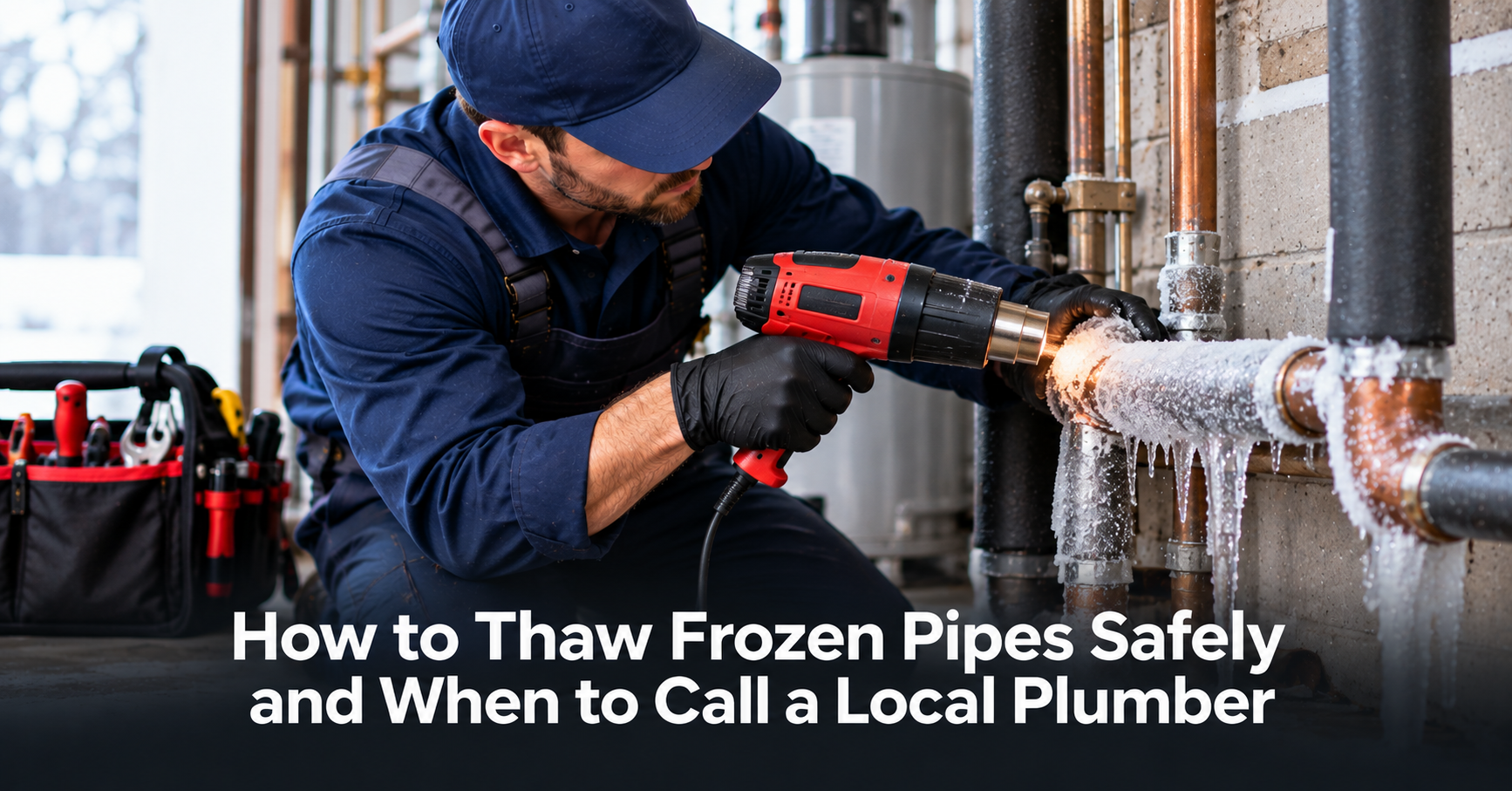
Start near the faucet and work back toward the frozen section. Use a hair dryer, an electric heating pad wrapped around the pipe, or towels soaked in hot water. Keep any heater far from flammable materials.
Step 4: Keep Heating Until Full Pressure Returns
Continue until water flows at full pressure again. Don’t stop at a trickle, because a partial blockage can refreeze overnight. Move the heat slowly along the pipe, and never leave any heat source unattended.
Step 5: Check Every Other Faucet in the House
Run each tap in the house, since one frozen section often means others are iced. Look under sinks and in cabinets for leaks, and call a plumber if you find drips, bulges, or any wet spots on walls or floors.
| Pipe Frozen and You Can’t Reach It? Can’t find plumbers near me at midnight? Our licensed team thaws pipes safely and checks for cracks before they flood your home. Call any hour, and we’ll come to Winchester and nearby towns fast, with the right tools. |
What Should You Never Do When a Pipe Is Frozen Inside Walls?
Never use an open flame. A blowtorch, kerosene or propane heater, or charcoal stove can scorch framing, ignite insulation, or release dangerous fumes. The Red Cross warns against these tools, and our crews never use them on a frozen line.
Don’t crank up the heat all at once. Sudden, intense heat can crack a weakened pipe or blow out a fitting. Gentle, even warming lets the ice melt and the pressure ease without stressing the metal at all.
Avoid hammering or prying on the pipe. A frozen section is brittle, and force can split a pipe that would otherwise have survived the freeze. Leave the tools in the box and keep the faucet open the whole time.
Don’t ignore the second pipe. If one line froze, the conditions that caused it probably affect others nearby. According to American Red Cross guidance, if one pipe freezes, others may freeze too, so check the whole system.
Don’t walk away from a heat source. Space heaters and heating pads should never run unattended near water or wood framing. If you need to leave the house, stop heating and call a plumber to finish the job instead.
When Should You Call a Plumber Instead of Trying Alone?
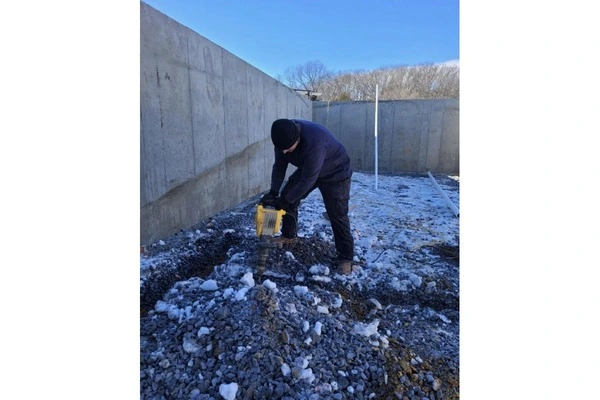
Call when you can’t locate the frozen section, when it’s behind a wall or under a floor, or when heat doesn’t restore full pressure. Those are the situations where DIY attempts cause more harm than good.
“Apply heat until full water pressure is restored. If you are unable to locate the frozen area, if the frozen area is not accessible, or if you can not thaw the pipe, call a licensed plumber.”
– American Red Cross: Preventing and Thawing Pipes Guidance
Also call if you see any leak, bulge, or crack. A split pipe needs repair before the water is turned back on. Our frozen pipe repair in Winchester VA includes checking the line, replacing damaged sections, and testing for other weak spots.
If a burst pipe is already flooding your home, close the main valve, switch off power to wet areas, and phone for emergency help. Photograph the damage for your insurer before you start any cleanup work.
Tell the dispatcher which faucets are affected, whether you’ve seen any leaks, and what you’ve already tried. That helps us send the right crew with the right equipment to your home on the very first trip.
Once the water is flowing again, watch for hidden leaks over the next few days. A pipe that cracked during the freeze can start dripping after it thaws, and a sudden jump in your bill is a warning sign.
Read More About: Why Is My Water Bill So High? Leak Detection in Winchester VA
| Want to Winterize Before the Freeze Hits? Searching for plumbing services near me before winter? We can walk through your home, point out exposed lines, and suggest simple fixes. Our family-owned crew explains every option with clear prices and no pressure. |
How Can You Protect Your Home Before the Next Cold Snap?
The best way to prevent frozen pipes is to protect the lines before temperatures drop. Wrap exposed pipes in foam pipe insulation sleeves, and add a heating product made for pipes in the coldest spots. Read the label.
Heat tape is an electric heating cable that wraps around a water pipe and keeps it above freezing in cold areas. Choose a UL-listed product made for pipes, and install it exactly as the manufacturer directs.
Look at the places heat doesn’t reach. A crawl space, an attic, a garage, and cabinets on exterior walls are the usual weak points. Seal drafts and gaps around pipes with caulk or foam to keep cold air away.
Disconnect and drain garden hoses before the first freeze, and close the inside shutoff to outdoor spigots if your home has one. Open the outdoor spigot afterward so leftover water can drain out safely.
On very cold nights, let a faucet drip slightly and open cabinet doors under sinks to warm the pipes. According to American Red Cross guidance, keeping the thermostat at the same setting day and night helps as well.
Know where your main water valve is and make sure it turns. If you’ll be traveling in winter, ask a neighbor to check on your home, and consider asking our residential plumbers about a pre-winter check.
The same tips apply across our region. We serve homeowners in Frederick County, Warren County, and nearby communities who want to get ahead of winter and avoid a midnight call. Just ask us for a quick home walkthrough.
Commercial buildings freeze too, especially vacant units and lines on exterior walls. Our commercial plumbers can inspect and winterize business properties, and maintenance plans keep those checks on a regular schedule.
We also help homeowners in Clarke County, Martinsburg, Charles Town, and the Eastern Panhandle of West Virginia get ready for winter, because cold snaps hit West Virginia just as hard as they hit Winchester.
Conclusion
You can usually thaw frozen pipes with patience, gentle heat, and an open faucet, but the safe choice depends on what you find. If you can’t reach the ice, can’t restore pressure, or see any leak, call a professional right away.
Our family treats every call like it’s our own home. K. Jenkins Plumbing has served Winchester families for 22 years with licensed technicians and honest pricing. If your water has stopped flowing, contact us and we’ll take it from here.
FAQs
How do I know if a pipe is frozen or the water is shut off?
If only a trickle comes out in freezing weather, or one faucet is dry while others work, a pipe is likely frozen. Check the main valve and street shutoff too.
What is the safest way to thaw a frozen pipe at my house?
Keep the faucet open and warm the pipe gently with a hair dryer, heating pad, or hot towels. Never use an open flame, and keep heat sources away from flammable materials.
Can a frozen pipe burst even if I can’t see any leak yet?
Yes. Ice can split a pipe quietly, and water often won’t leak until the ice melts. Watch for wet walls, ceiling stains, or a drop in water pressure after thawing.
How long can a pipe stay frozen before it starts to burst?
There’s no safe timeline, since it depends on the pipe, the cold, and the pressure inside. Treat any frozen line as urgent and thaw it gently or call a plumber.
Should I leave my faucets dripping during a hard freeze?
Yes, a slight drip on faucets served by exposed pipes helps keep water moving and relieves pressure. Combine it with insulation and a steady thermostat for best results.